
ContentBot AI Review 2026 — AI‑Driven Content Generation That Works for Real Writers
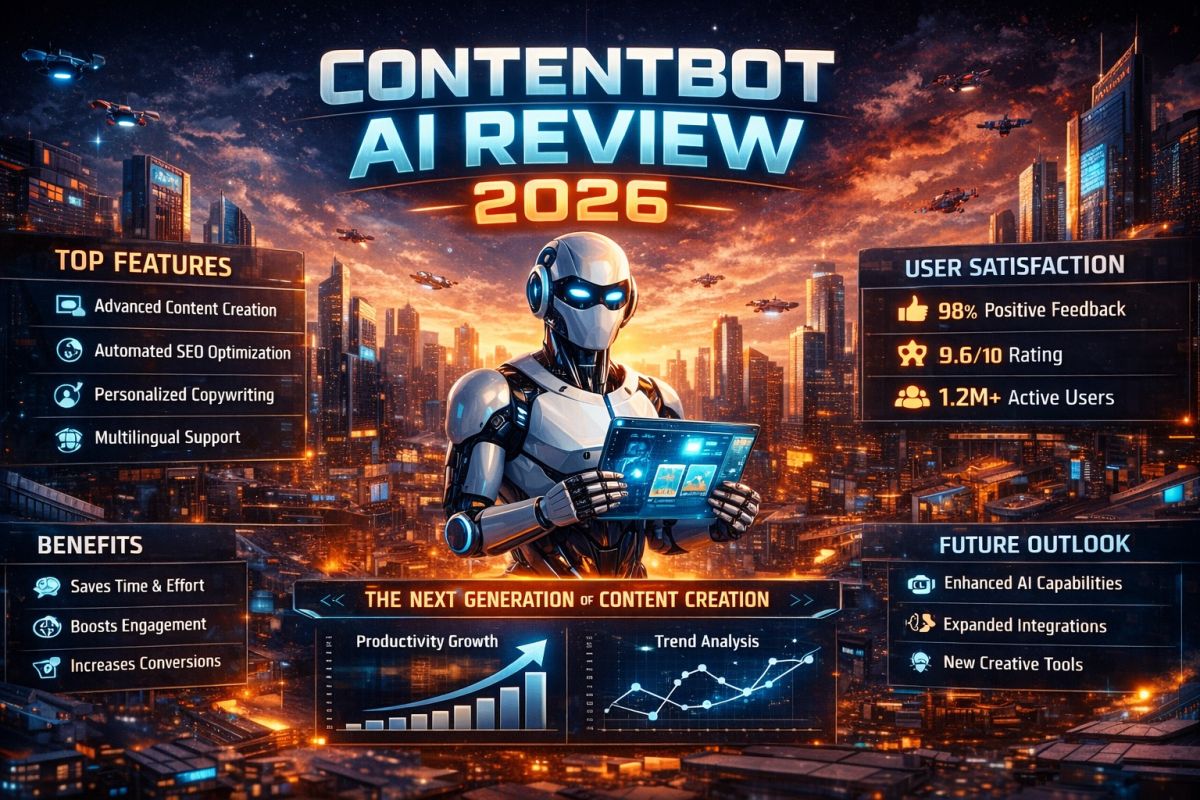 In a digital world flooded with generative text tools, most platforms focus on one thing: producing words as fast as possible. But speed without strategy rarely leads to meaningful results. ContentBot AI enters the scene in 2026 with a different intention — not just rapid output, but intelligent, usable, and context‑aligned content that writers and teams can actually build on.
ContentBot AI is designed for creators who need both versatility and depth, helping users generate ideas, draft articles, optimize copy, and repurpose content without losing sight of human quality. Whether you’re planning a blog post, crafting a landing page, or refreshing old content for search engines, ContentBot AI serves as a flexible partner that supports multiple stages of the content lifecycle.
Explore the platform and its feature set here: 👉 https://contentbot.ai
A Platform That Bridges Creativity and Productivity
ContentBot AI stands out because it treats writing as more than text generation. It encourages users to think about context, audience intent, and structure all within the same interface. This makes it helpful for creators who struggle with the early stages of content — like brainstorming topics, outlines, or catchy hooks — as well as for users who want to refine and expand existing drafts.
This all‑around capability sets ContentBot apart from many tools that specialize only in generating short snippets or AI paragraphs. For teams that publish regularly, having a single platform that can help from concept to final draft reduces cognitive load and speeds up execution.
Versatility Across Content Types and Use Cases
One of the biggest strengths of ContentBot AI is its breadth of applications. The tool supports:
Long‑form blog articles
Sales and landing page copy
Email sequences
Social post ideas and captions
Topic research and outlines
ContentBot’s adaptability makes it suitable for solo creators, growing blogs, and content teams alike. Instead of launching multiple tools for different formats, users can stay within the ContentBot environment, streamlining workflows and minimizing context switching — a subtle but tangible productivity boost.
Context‑Aware Content and SEO Integration
ContentBot AI doesn’t just generate text; it can tailor output based on context, audience, and even SEO considerations. By allowing users to feed topic signals, target keywords, and thematic direction into the prompt system, the AI produces content that aligns more closely with strategic objectives rather than random output.
This context‑sensitive approach is especially useful for SEO writers who need coherence across longer articles or detailed guides. Instead of editing disjointed paragraphs, users receive drafts that tend to follow logical flow and thematic unity.
For content teams focusing on search visibility, this means less time wrestling with structure and more time optimizing for performance.
Explore ContentBot AI’s capabilities in context‑driven workflow here: 👉 https://contentbot.ai
A Supportive Tool for Teams and Individuals
Whether you’re a solo entrepreneur juggling multiple channels or a content team managing a structured editorial calendar, ContentBot AI scales with your needs. Its interface balances simplicity with power, making it accessible to beginners without sacrificing depth for experts.
Because it accommodates a wide array of content formats, teams can rely on it as a central content engine rather than a piecemeal AI patchwork. This reduces friction and keeps everyone aligned — from ideation to publishing.
This flexibility also opens the door for creative experimentation, as writers can quickly iterate on headlines, intro paragraphs, or alternate drafts without losing continuity.
Thought‑Provoking Questions Before You Choose
Before deciding on your next content AI tool, consider reflecting on this: What parts of your content workflow consume the most time and headspace? Are you spending more time editing and restructuring than thinking and strategizing? And how would your output change if you had a tool that assisted with every stage of creation — from idea to execution?
The way you answer these questions often reveals whether a tool like ContentBot AI fits your content goals or simply adds another feature without solving real workflow pain points.
Final Thoughts on ContentBot AI in 2026
ContentBot AI doesn’t make claims about being the fastest or the flashiest tool in the market. Instead, it positions itself as a content partner — versatile, context‑aware, and supportive across multiple formats and workflows. For creators, marketers, and teams who publish regularly, this breadth of capability can lead to meaningful gains in productivity without sacrificing the quality and coherence of output.
👉 Discover how ContentBot AI can elevate your content workflow: https://contentbot.ai
Frequently Asked Questions About ContentBot AI
What is ContentBot AI used for? ContentBot AI is used for idea generation, drafting, optimizing, and repurposing content across different formats like blogs, emails, social posts, and landing pages.
Is ContentBot AI beginner‑friendly? Yes. The platform supports users of all skill levels with an intuitive interface and built‑in guidance for multiple content types.
Can ContentBot AI help with SEO content? Yes. ContentBot can tailor content drafts based on contextual signals and keyword direction, making it useful for SEO‑focused articles.
Does ContentBot AI replace professional writers? ContentBot AI assists with drafting and structure, but human refinement is recommended for tone, brand voice, and strategy.
Who benefits most from ContentBot AI? Solo creators, content teams, marketers, and digital entrepreneurs who produce diverse content formats will find the tool highly valuable.
Does ContentBot AI integrate with other workflows? ContentBot AI supports workflows across multiple content types, making it suitable as a central content engine rather than a standalone text generator.